RESOURCE HUB
At batyr, we are all about EMPOWERING our community with the SKILLS and KNOWLEDGE to have safe and positive conversations about mental health.
Our resource hub is made up of a library of tailored resources dedicated to helping our community have those conversations.
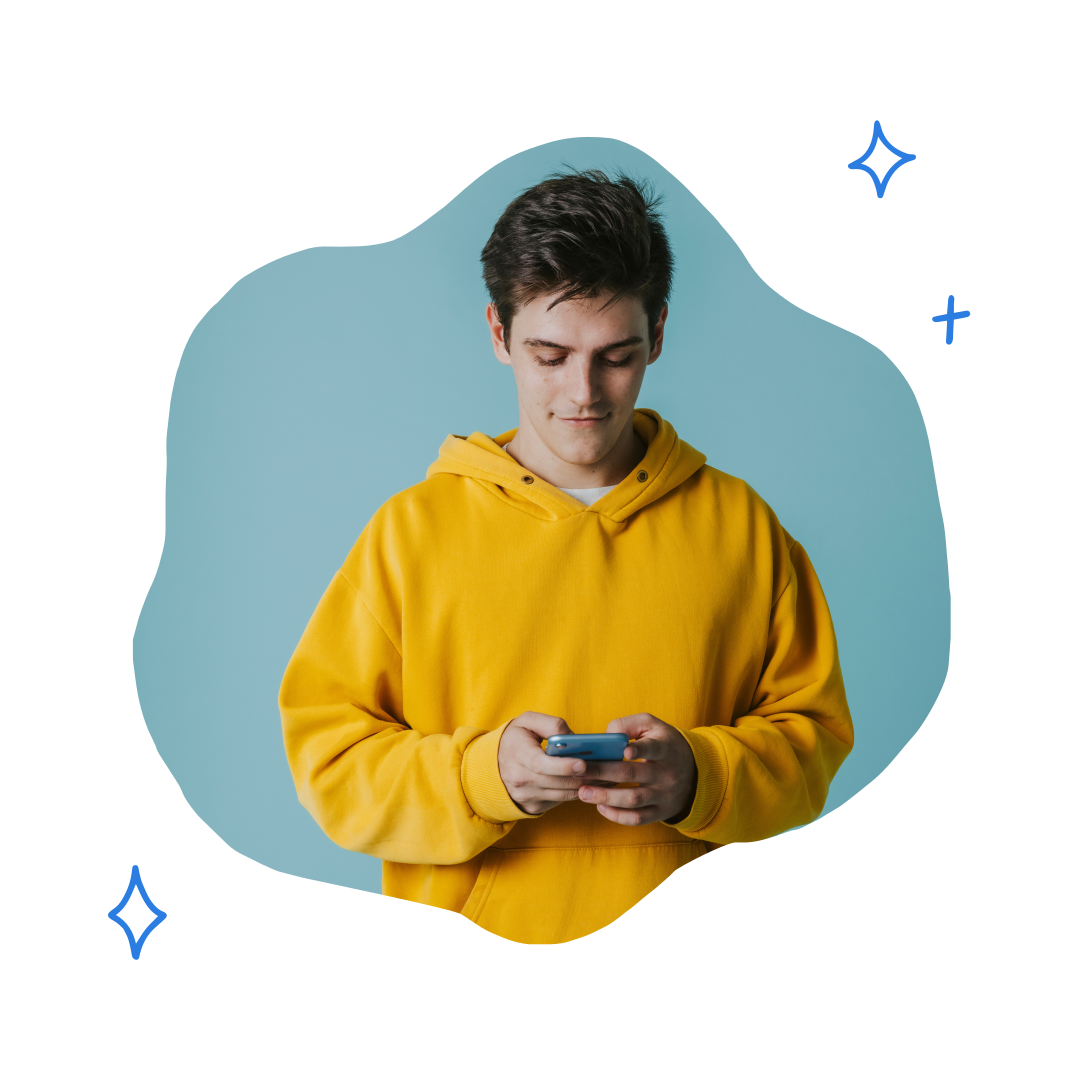
Social Media Age Restrictions
From 10 December 2025, social media accounts are restricted to Australians aged 16 and over.
We know this change brings up mixed feelings for many young people - confusion, frustration, relief, worry, or all of the above. However you’re feeling about it is valid. Big shifts like this can feel unsettling, especially when social media has played such a big role in how young people connect, express themselves and stay informed.
Lived Experience Stories
Reuben's Story
When I was 17, I lost my best mate to depression, and it was the hardest time in my life. And I don't think I'll ever know why it happened, but I'm starting to realise how it happened and a lot of it comes down to stigma.
Ben's Story
My journey with mental ill-health began when I was around 13 years old at the beginning of high school. I began to feel uncomfortable in my skin and noticed myself feeling like a burden and wishing I was no longer around.
Mackenzie's Story
It all started with a doctor’s appointment. Although I danced around the subject for most of the appointment, I eventually found the bravery I needed to say the words I had refused to say out loud up until that point.
Sebastian's Story
I certainly didn’t have someone like me to look up to when I was growing up, which is why Transgender Day Of Visibility is especially important for younger trans folk to see trans elders and what we can accomplish.
Neha's Story
My family and I, we migrated from Nepal when I was about three. I think being from an immigrant background, your parents take you to a new country so you can have the life that they want you to have...
Nic's Story
During high school, I always felt the need to put on a façade, to be the class clown, to be overly outgoing and extroverted, funny and likeable – to compensate for the whirlwind of emotions I experienced daily.
Scott's Story
I'm a Gooniyandi man in Miriuwung Gajerrong, from Fitzroy Crossing. My Mum and Dad were born at the tail end of the Stolen Generation. I hope many of you know what the Stolen Generation was and the impact that it has had in terms of intergenerational trauma...
LewChing's Story
Where I grew up, mental health was not spoken about, and any mention of mental illness was shoved under the rug. I held my façade for the most part, only breaking down in front of my mother at aged 17.
Reuben's Story
When I was 17, I lost my best mate to depression, and it was the hardest time in my life. And I don't think I'll ever know why it happened, but I'm starting to realise how it happened and a lot of it comes down to stigma.
Ben's Story
My journey with mental ill-health began when I was around 13 years old at the beginning of high school. I began to feel uncomfortable in my skin and noticed myself feeling like a burden and wishing I was no longer around.
Mackenzie's Story
It all started with a doctor’s appointment. Although I danced around the subject for most of the appointment, I eventually found the bravery I needed to say the words I had refused to say out loud up until that point.
Sebastian's Story
I certainly didn’t have someone like me to look up to when I was growing up, which is why Transgender Day Of Visibility is especially important for younger trans folk to see trans elders and what we can accomplish.
Neha's Story
My family and I, we migrated from Nepal when I was about three. I think being from an immigrant background, your parents take you to a new country so you can have the life that they want you to have...
Nic's Story
During high school, I always felt the need to put on a façade, to be the class clown, to be overly outgoing and extroverted, funny and likeable – to compensate for the whirlwind of emotions I experienced daily.
Article Library
Learn about mental health
Manage my mental health
Printable Resources
Access resources to help you positively shift mental health conversations in your community!
Resources include info about our programs, how to notice the signs and have the conversation.
Access resources to help you positively shift mental health conversations in your community!
Resources include info about our programs, how to notice the signs and have the conversation.
Access resources to help you positively shift mental health conversations in your community!
Popular Articles
School Refusal
People experiencing school refusal often want to go, but feel too overwhelmed to face it. Sometimes, the thought of going to school can lead to physical symptoms like feeling sick, trembling, or panic attacks.
Tackling Self-Stigma
Self-stigma occurs when people take on societal stereotypes and perceptions about mental ill-health, resulting in low confidence and self esteem, and reluctance to acknowledge or address their mental health needs.
Taking a Mental Health Day
When you're constantly expected to show up and perform as a student, employee, family member or a friend, you can sometimes find yourself exhausted.
Trauma Dumping
Trauma is an emotional response to a terrible event or occurrence, like an accident, natural disaster or violence. Traumatic events can happen to anyone at any age and can cause long-lasting harm.
Mental Health Treatment Plans
A mental health treatment plan (also sometimes known as a mental health care plan) is a support plan made by a GP to help you if you’re experiencing mental ill-health.
Negative Experience Seeking Help
It takes a lot of courage to seek support from a mental health professional, and when it doesn’t turn out favourably, having a negative experience can be disheartening, but it's important not to let it deter you from seeking help altogether.
School Refusal
People experiencing school refusal often want to go, but feel too overwhelmed to face it. Sometimes, the thought of going to school can lead to physical symptoms like feeling sick, trembling, or panic attacks.
Tackling Self-Stigma
Self-stigma occurs when people take on societal stereotypes and perceptions about mental ill-health, resulting in low confidence and self esteem, and reluctance to acknowledge or address their mental health needs.
Taking a Mental Health Day
When you're constantly expected to show up and perform as a student, employee, family member or a friend, you can sometimes find yourself exhausted.
Trauma Dumping
Trauma is an emotional response to a terrible event or occurrence, like an accident, natural disaster or violence. Traumatic events can happen to anyone at any age and can cause long-lasting harm.
Mental Health Treatment Plans
A mental health treatment plan (also sometimes known as a mental health care plan) is a support plan made by a GP to help you if you’re experiencing mental ill-health.
Negative Experience Seeking Help
It takes a lot of courage to seek support from a mental health professional, and when it doesn’t turn out favourably, having a negative experience can be disheartening, but it's important not to let it deter you from seeking help altogether.
Popular Resources
Mindfulness Flash Cards
Ever wanted to try mindfulness but not known where to start? Try out these cards as a little taster.
Finger Breathing Exercise
Print and practice this popular breathing exercise that can help manage your anxiety, and help to calm you in moments of stress and overwhelm. A great resource to hang in the classroom too!
Self-Care Bingo
Challenge yourself to complete 30 self-care activities across 30 days! You can complete this in whatever way works best for you.
Habit Tracker
Forming good habits takes time and a whole lot of patience. Download our habit tracker to help you turn a good intention into something you practice regularly.
Get Talking Action Plan
Worried about someone but not sure where to start? Check out our Get Talking Action Plan to help you start the conversation.
How To Help Without Adding Stress
Concerned that something might be up with your child? Dr Tim Sharp from the Happiness Institute has shared with us some ways that you can support them.
Self-Care Toolkit
Want to work out what self-care looks like for you but not sure where to start? Download this easy activity to help you brainstorm practical strategies.
My Wellbeing Plan
This easy activity is designed to give you a short page plan for how you can look after your mental health. Complete by yourself or with help from a trusted support person.
Understanding Personal Boundaries
Understanding your boundaries can help you maintain your mental health as you care for those around you and navigate the day to day. Download this activity to help you ideate on your personal boundaries.
How To Start A Mental Health Conversation
Worried about your child but not sure where to start? Dr Tim Sharp from the Happiness Institute has shared some words of wisdom to help you start a conversation with your young person about mental health.
Mindfulness Flash Cards
Ever wanted to try mindfulness but not known where to start? Try out these cards as a little taster.
Finger Breathing Exercise
Print and practice this popular breathing exercise that can help manage your anxiety, and help to calm you in moments of stress and overwhelm. A great resource to hang in the classroom too!
Self-Care Bingo
Challenge yourself to complete 30 self-care activities across 30 days! You can complete this in whatever way works best for you.
Habit Tracker
Forming good habits takes time and a whole lot of patience. Download our habit tracker to help you turn a good intention into something you practice regularly.
Get Talking Action Plan
Worried about someone but not sure where to start? Check out our Get Talking Action Plan to help you start the conversation.
How To Help Without Adding Stress
Concerned that something might be up with your child? Dr Tim Sharp from the Happiness Institute has shared with us some ways that you can support them.