Mackenzie's Story | World Mental Health Day
October 06, 2024
When it comes to mental health, meaningful connections matter.
This includes connections with loved ones, connections with community, connections with colleagues, connections to supports and services, connections to Country – and connections to yourself.
For World Mental Health Day on 10 October, batyr has partnered with Mental Health Australia to share how meaningful connections have supported four of our lived experience storytellers on the path to good mental health.
Mackenzie's Story
It was hard to recognise that I needed to start taking care of myself. My body was physically breaking down as a result of my mental illness. It wasn’t until I lost the things that I loved the most until I realised that I needed to take action. I couldn’t dance, I isolated from friends and family, I lost two jobs that I loved with all my heart, and I didn’t even have the strength to visit my horses, the creatures that once inspired me to fight.
It all started with a doctor’s appointment. Although I danced around the subject for most of the appointment, I eventually found the bravery I needed to say the words I had refused to say out loud up until that point.
What followed was a string of appointments with all kinds of professionals. I felt like a planet with many moons orbiting around me for eternity, occasionally eclipsing one another, sometimes in harmony and sometimes in juxtaposition.
I battled in silence for a long time, no one knew that I had gone to the doctor or sought therapy. I kept it a secret not because I was stubborn, but because I was ashamed. I feared having to dissolve my façade of perfection and show the people close to me just how deeply flawed I had become.
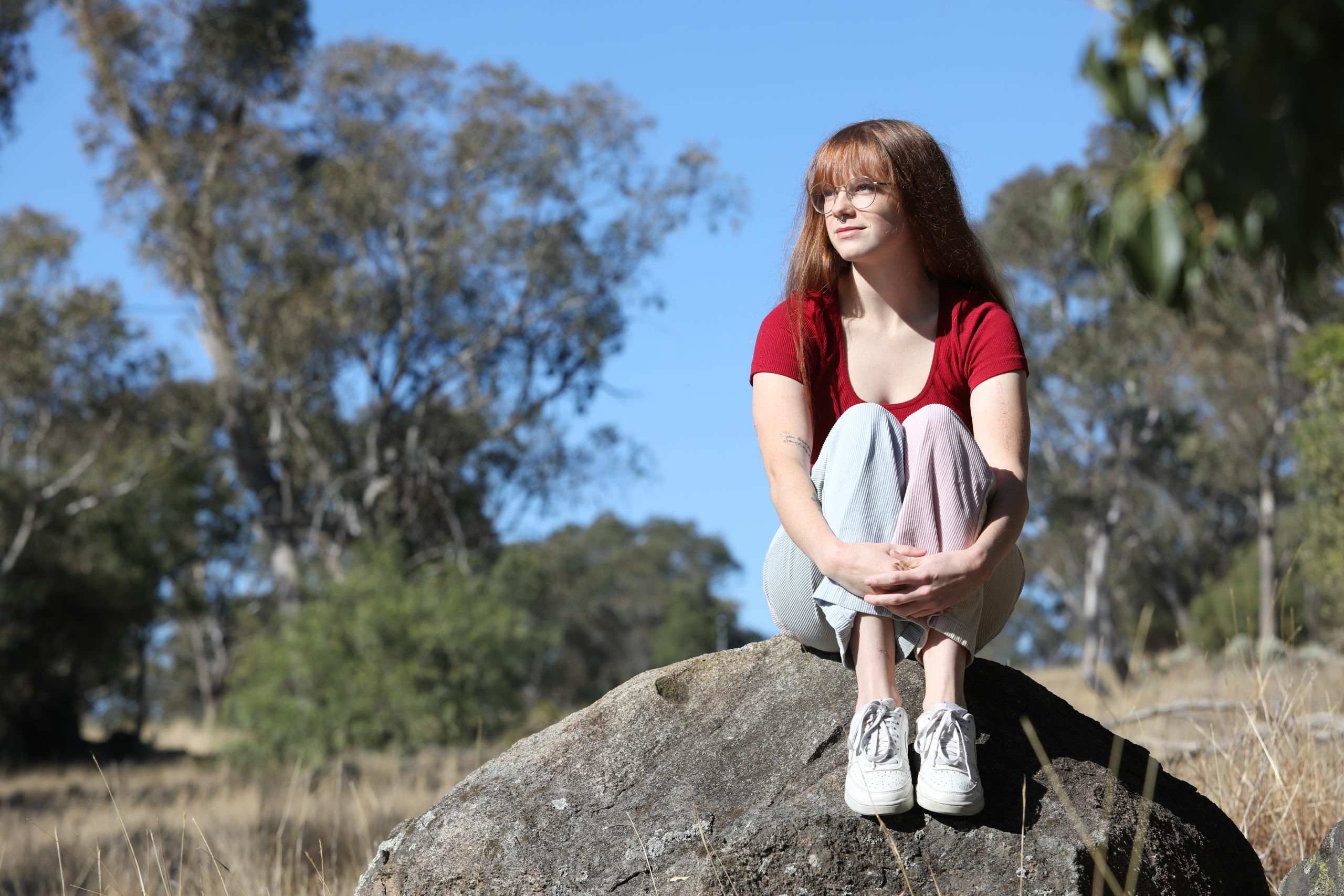
Photo by Lisa Clarke.
But my secret was revealed after I was hospitalised. It was challenging to reframe the thoughts and perceptions that had been hardwired into my brain for so long. It took years for me to develop the tools I needed to restructure my thought processes and combat the negative pathways. Stigma drives misconceptions.
I’ve adopted the mantra: “You have survived 100 per cent of your bad days so far.”
I’ve learned to recognise my triggers and the signs that I am beginning to become overwhelmed. I use these markers to determine when I need to step away from something, take a break, change my environment, and allow myself to regulate and consider a new approach.
I have learned that for me, structure and routine is pivotal in managing my mental health as I approach full recovery. I find that having a timetable that predicts meals, self-care, and adequate sleep has proven beneficial.
Good physical health often influences good mental health. I have also traded my individual sports for team sports. In doing that, I’m surrounded by a supportive group of friends who have helped me find the joy in movement rather than use movement as a punishment for my body. Cheerleading and team dancing have become healthy outlets for my emotions.
My advice to anyone who is struggling is this: I know you may feel alone as you float in your own void, but you are not. And you don’t have to be alone. You are not a burden, nor are you a disappointment. You deserve care. You deserve joy. Make an appointment with your doctor and do the thing that scares you the most; ask for help. You can do hard things.
Recovery isn’t linear but I can promise you one thing; there is not a single person who has recovered from their mental illness who regrets doing so.
If you or someone you know is experiencing a mental health crisis and is in immediate danger of harming themselves or others, call 000. You can find a comprehensive list of mental health support services here.