How Location Is Shaping Young People’s Mental Health
April 09, 2026
Nearly 1 in 3 young Australians live outside of major cities. Yet for many of these young people, accessing mental health support is significantly harder - and they're telling us why.
Across regional, rural and remote Australia, young people face longer wait times, fewer local services, and greater barriers to getting help when they need it. This is despite the fact that youth suicide rates can be up to twice as high in remote communities compared to metropolitan areas.*
The result is a growing divide - one where young Australians are effectively navigating two different mental health systems depending on where they live.
For young people outside major cities, geographic isolation can make accessing care incredibly difficult. Support services may be hours away, local providers are often stretched thin, and in smaller communities, stigma can make it harder to speak openly about mental health challenges.
These barriers mean many young people go without support until they reach crisis point.
What young people are telling us
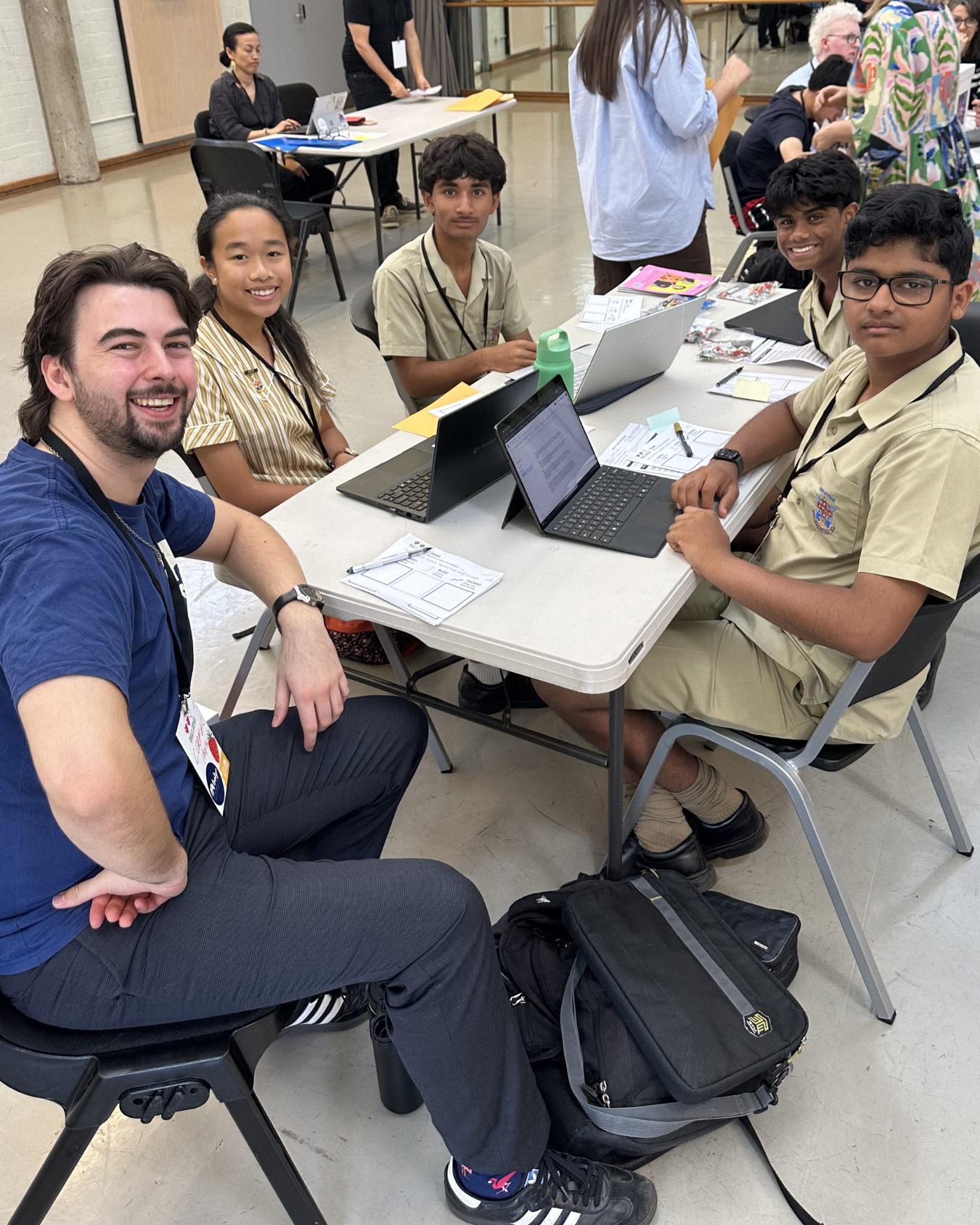
During our 2025 Youth Innovator Incubator (YINC) consultations, young people across regional, rural and remote communities shared firsthand the barriers they’re facing, and their insights are clear, consistent and urgent.
Access isn’t just about whether services exist - it’s about whether young people can actually reach them.
“Many people don’t have money for transport,” shared a student from Palmerston College in the Northern Territory. “Transport and internet are large factors,” said another student from Urangan in Queensland.
In smaller communities, support options are limited, and often pushed outside of schools.
“[I want to see] more support in schools, less in town,” said a student from Cornerstone College in South Australia.
And when support does exist, it doesn’t always feel accessible or equitable.
“Fair looks like everybody is able to access support and feel safe,” wrote a student from Balmoral.
“Inclusion means everyone gets the same opportunity,” shared another student from Darwin.
These aren’t isolated experiences - they reflect a broader system that isn’t working for too many young people.
Waiting until a crisis isn't good enough
When barriers stack up - distance, cost, availability, stigma - many young people are left with few options.
At batyr, we regularly hear from young people about what this feels like. One young person captured the experience powerfully during a recent consultation:
“You basically just have to hope you get worse, and then hope there’s a service that can capture you. And that’s really not okay."^
No young person should feel that their only pathway to support is to reach a crisis.
Prevention is part of the solution
Prevention and early intervention play a critical role in bridging this gap. When young people are given the tools to understand mental health, support their peers, and seek help earlier, it can dramatically change outcomes.
Research conducted by the NSW Government and The University of Sydney exploring the impact of batyr programs delivered in regional communities found that help-seeking behaviour increased from 30% to 65% six months after participation - more than double the national average for young people aged 15–34.
Prevention works, but right now, too many young people are missing out.
Where a young person grows up should never determine whether they have access to the knowledge, support, and conversations that protect their mental health.
Young people across Australia are telling us the same thing: regional communities deserve better access, earlier support, and more opportunities to speak openly about mental health. Listening to those voices is the first step toward building a system that works for everyone.
We’re calling for targeted investment in youth mental health prevention - particularly in regional, rural and remote communities where the need is greatest.
Next week, batyr is bringing together young people from regional, rural, and remote communities to share their experiences of mental health in their own words.
Sources:
*The rate for residents of Very Remote areas (21.0 deaths per 100,000 population) was 2.1 times that of the rate for residents of Major Cities (10.0); however, numbers of deaths were relatively small (40 deaths in Very Remote areas vs 1,985 in Major Cities). https://www.aihw.gov.au/suicide-self-harm-monitoring/population-groups/regional-remote-communities
^batyr (2025). Youth Consultation Report. https://www.orygen.org.au/Orygen-Institute/Youth-Mental-Health-Models-Of-Care/Youth-Consultation-Report-batyr.aspx