Charlie’s story: living with schizoaffective disorder and challenging stigma around schizophrenia
May 23, 2026
World Schizophrenia Awareness Day invites us to look beyond headlines, stereotypes and assumptions, and deepen our understanding of one of the most commonly misunderstood mental health conditions.
We recently caught up with one of our storytellers Charlie who spoke about his experience with Schizoaffective disorder, which combines symptoms of schizophrenia and a mood disorder. In sharing his experience, Charlie offers insight into why it’s so important to move beyond fear, stereotypes and misinformation.
At batyr, we know that lived experience storytelling is one of the most powerful ways to challenge stigma and discrimination. Charlie’s story is a reminder that mental health challenges do not define a person’s worth, identity or future - when we centre real stories alongside facts, we move beyond assumptions and toward a more compassionate, informed community where fewer people feel alone and more feel supported to seek help when they need it most.
“Something I wish more people understood about schizophrenia is that before the illness we had aspirations and dreams just like you, and while the illness can hugely derail things it's hugely possible that we can lead successful, happy, healthy lives even alongside the illness. Some might not fully ever be symptom free but they can certainly live fulfilling lives with treatment and care and the right support.”
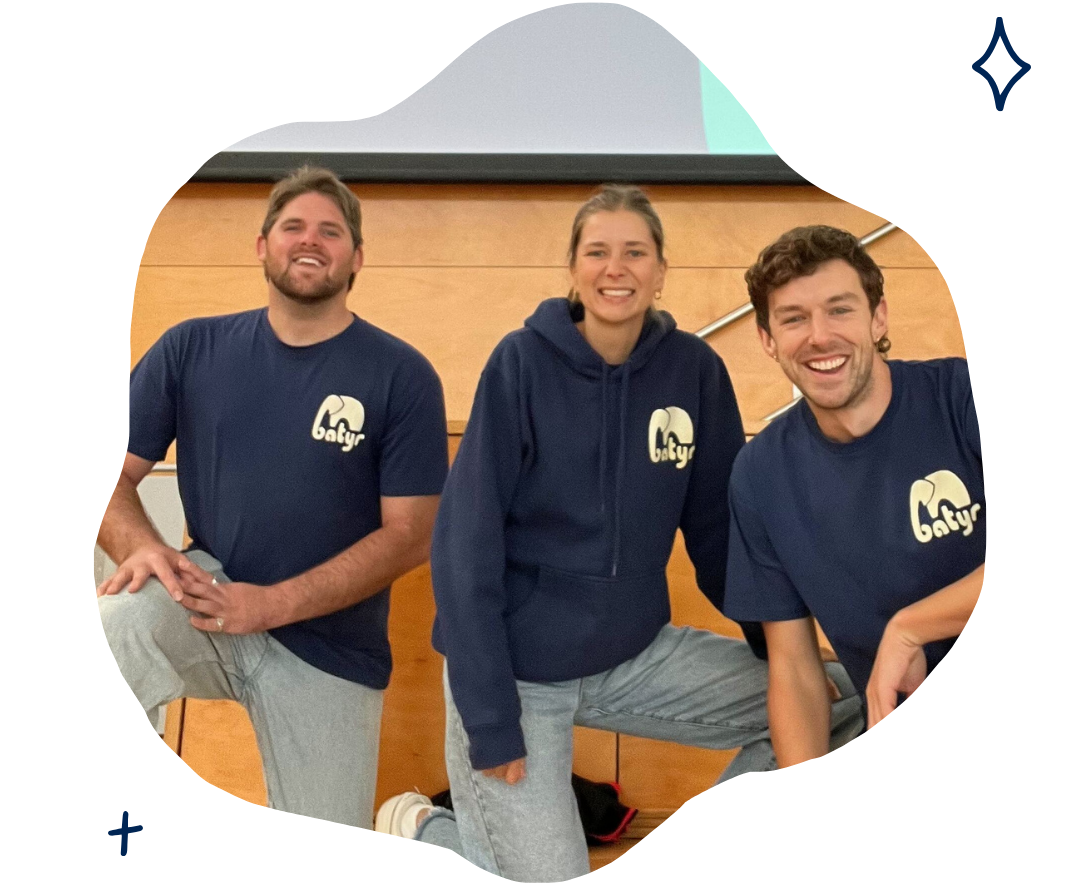
Charlie reflects that one of the biggest misconceptions comes from how schizophrenia is portrayed in media and public discourse, where narratives are often dominated by extreme or negative portrayals rather than everyday lived experience.
“Where common misconceptions come from, I believe, is usually the media, film, TV, music, news, and the reporting is often hugely skewed towards the negative and that outweighs the positive instances that are reported and that can be hugely damaging.”
One of the most persistent myths is the association between schizophrenia and violence. Most people with schizophrenia are not violent. Linking schizophrenia with dangerous behaviour in general terms contributes to fear and misunderstanding, rather than helping people seek or receive support. Stigma can also make it harder for people to speak openly, access support, find employment, or feel safe in their communities. Charlie highlights the reality that stigma often distorts public understanding far more than the condition itself.
“People who live with schizophrenia are less likely than the general population to be violent and actually more likely than the general population to be victims of violence, that's important to remember. I believe we can challenge these common misconceptions in everyday conversations by just keeping the human at the centre of things, not seeing it as ‘they're crazy and we're sane’.”
Charlie speaks openly about the importance of support systems and the role of connection in recovery and wellbeing.
“How friends, workplaces and communities can be more supportive of people experiencing complex mental ill-health such as schizophrenia is through just remaining there by their side. I know that can be extremely difficult. I have been fortunate to have family, friends, and my community stay by my side in times of great need and despair.
It would have been really tricky at times to come visit me in hospital at my worst, see me in that state and relate to me and connect with me because I know how difficult that would have been when I was in that state. However, it was so important for me. I know it wouldn't be easy but where possible to stay in contact with that person and just let them know you're there goes a huge way.”
Misunderstanding and stigma can have real consequences. They can discourage people from seeking help, increase isolation, and make everyday life harder than it needs to be. For young people experiencing mental health challenges, stigma can also add confusion and shame at a time when support is most needed.
“I think people know what it's like to experience feeling anxious or to be nervous or worried - they might be able to relate, even if they haven't experienced a diagnosis of anxiety, generalised anxiety disorder or depressive disorder. Whereas with complex mental ill-health like schizophrenia, they might have no experience or wouldn't even be able to comprehend what it would feel like to lose your mind.”
For Charlie, this lack of familiarity is exactly why lived experience storytelling matters, because it helps close the gap between misunderstanding and empathy.
“That is so important when it comes to complex mental illness - it’s so misunderstood in society and can leave people feeling so isolated if they don't have that understanding and support. I think that goes a long way just to tell stories, share experiences where possible and safe and accessible because it goes a long way in reducing that stigma and helping people to feel less alone in their experience and just to educate people that this is a thing.”
World Schizophrenia Awareness Day is a reminder that understanding starts with listening. You don’t need to fully understand someone’s experience to support them. Listening without judgement, checking in, staying connected and showing compassion can all make a difference - especially for those who feel isolated or misunderstood.
Beyond every diagnosis is a person who wants what most of us do: connection, understanding, safety and support. If you need support with your mental health or caring for someone else who may be struggling, you can find support services here.