From conversation to action: Young people are shaping the future of regional and rural mental health
July 26, 2026
Back in April, we brought together young people from regional, rural and remote communities for a two-day workshop with one clear goal: to help shape a better future for youth mental health.
As part of Regional & Rural Youth Voices: Shaping the Future of Mental Health, young people from across Australia came together to share their lived experiences, connect with one another, and co-design recommendations for the people responsible for shaping Australia's mental health system.
The workshop gained national and international attention when Prince Harry and Meghan, Duke and Duchess of Sussex, joined the second day to listen directly to young people's experiences and ideas. While their visit helped shine a spotlight on the event, the most important outcome wasn't who was in the room - it was what young people had to say.
Today, we're proud to share the recommendations they developed together, and the powerful message they sent to governments, decision-makers and the broader mental health sector: young people don't just want better support when they're in crisis. They want a system that helps prevent them from reaching a crisis in the first place.
Across Australia, young people are experiencing a growing mental health crisis. But for young people living in regional, rural and remote communities, the challenges are often even greater. Long waitlists. Long travel times. Limited local services. Communities where everyone knows everyone, making it harder to seek help without feeling judged. For these young people, they’re navigating different experiences depending on their postcodes.
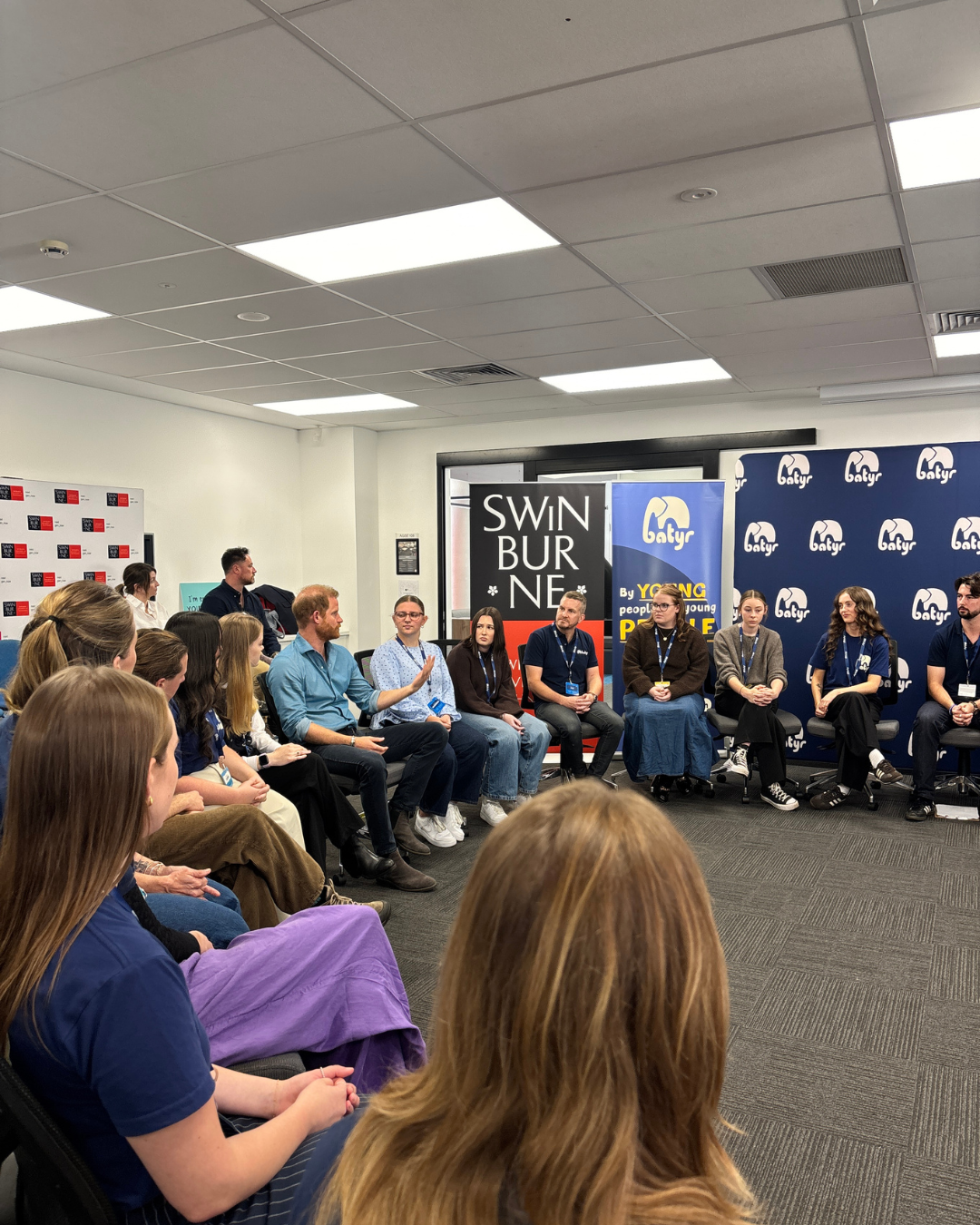
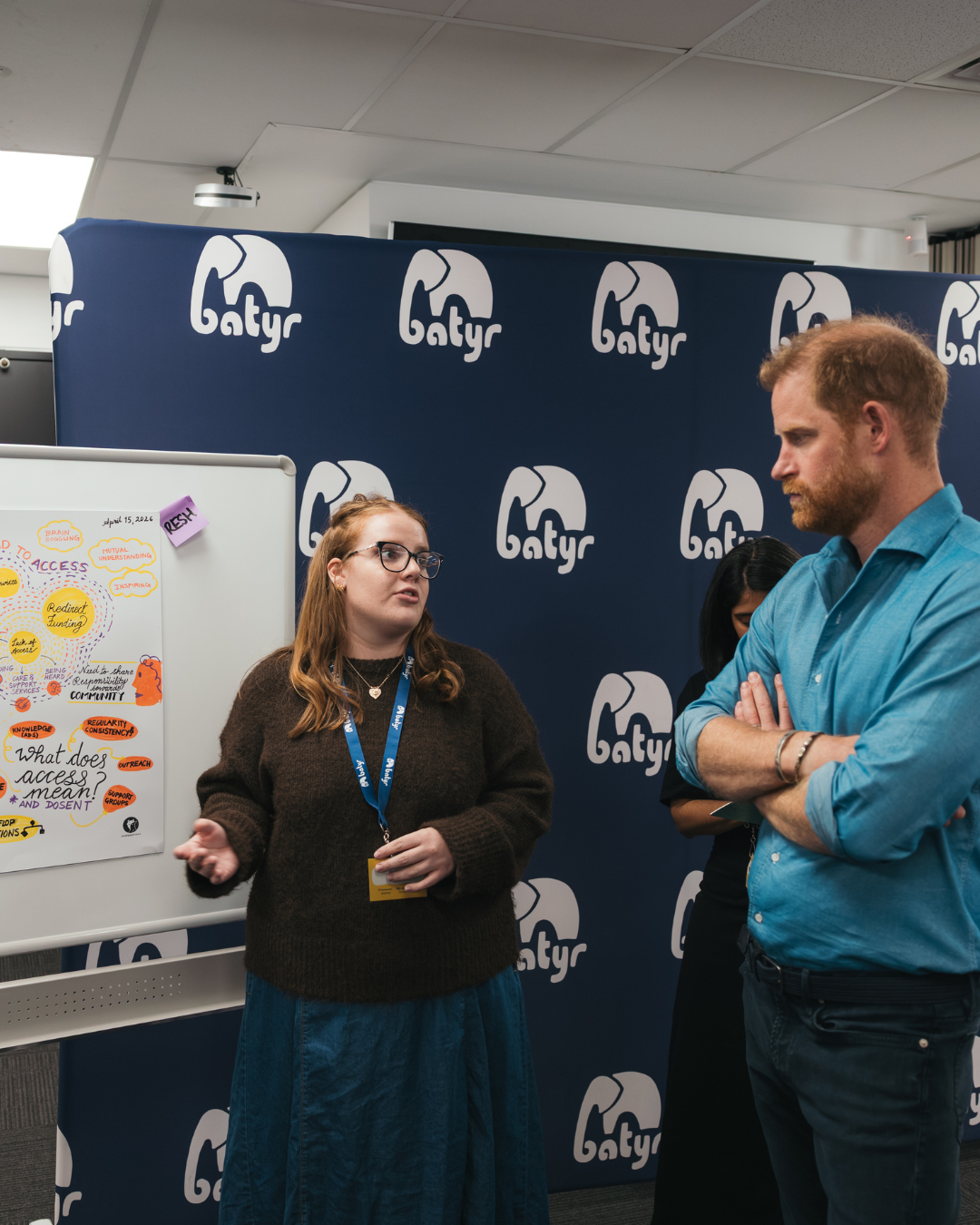
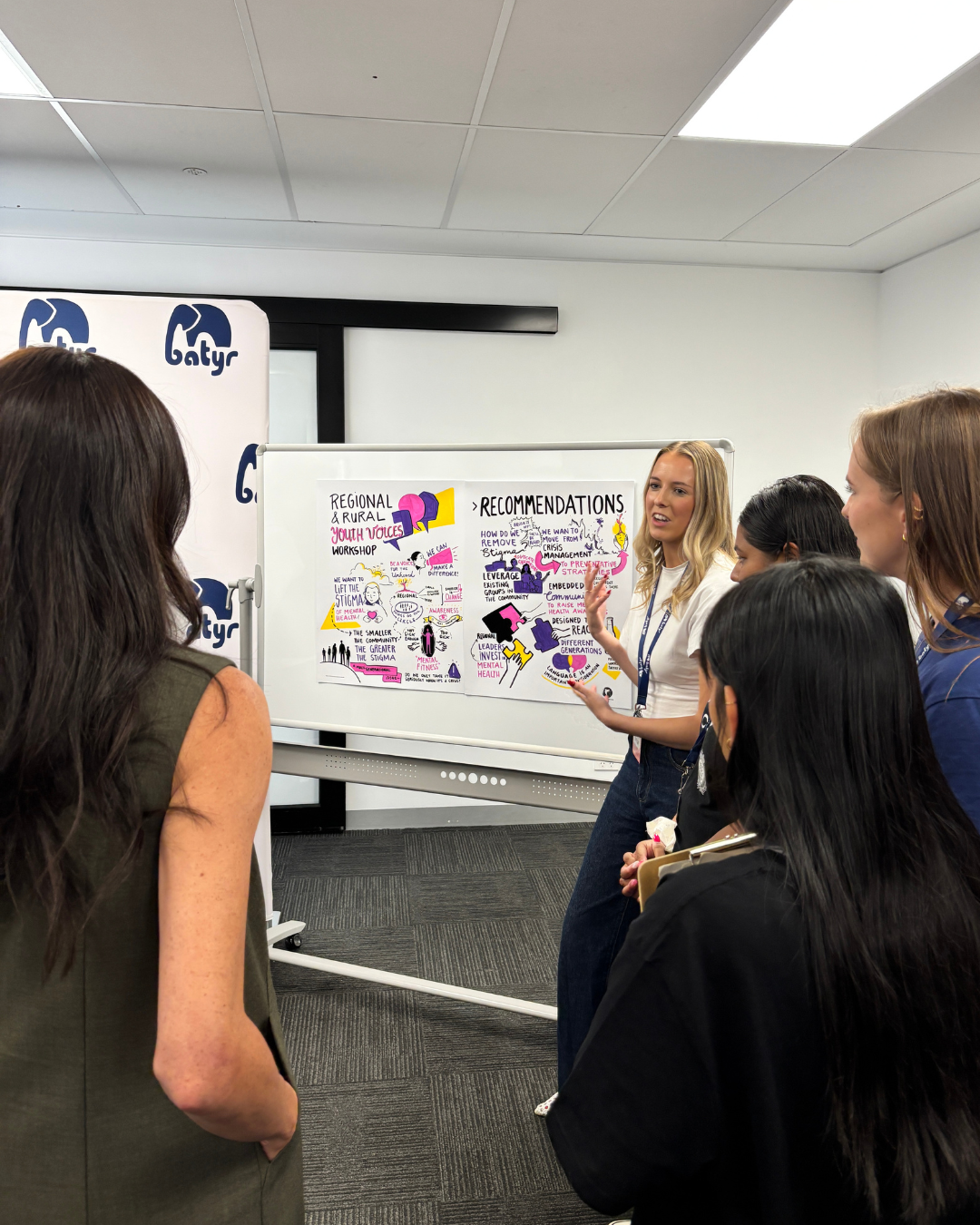
Throughout the workshop, young people spoke openly about the reality of growing up outside metropolitan areas. While they described deep pride in their communities and the strong sense of connection they offer, they also reflected on the unique barriers they face when it comes to mental health.
For many, where they live still determines whether they can access support at all, and one message came through louder than any other - young people want Australia to invest in prevention, not just crisis care.
As one participant shared:
- "We need access to early intervention programs in primary school, teaching kids that it's okay to struggle, before they reach crisis."
Again and again, young people spoke about the need to normalise conversations around mental health earlier in life, giving children the language, confidence and support to seek help long before problems become overwhelming.
Stigma remained one of the strongest themes across the two days. Young people described growing up in close-knit communities where support and connection are real strengths - but where fear of judgement can also prevent people from asking for help.
One of the participants explained:
- "We know that stigma exists, and that it is multigenerational. We see that often we wait for things to go terribly wrong before we respond. We're asking that we spend more energy and resources on relevant preventative strategies that resonate with communities."
Reducing stigma isn't about one campaign or one conversation. It's about creating communities where young people feel safe to speak openly, ask for help early, and know they'll be met with understanding.
The workshop also challenged the idea that one solution can work everywhere. Young people were clear that every community is different, and local communities should have greater ownership over the solutions designed to support them.
One young person’s recommendation called for:
- "A localised community grants system that creates change from the bottom up. We'd like to see a solution that gives young people agency to design and come up with programs and solutions that are specific to their reality and their communities."
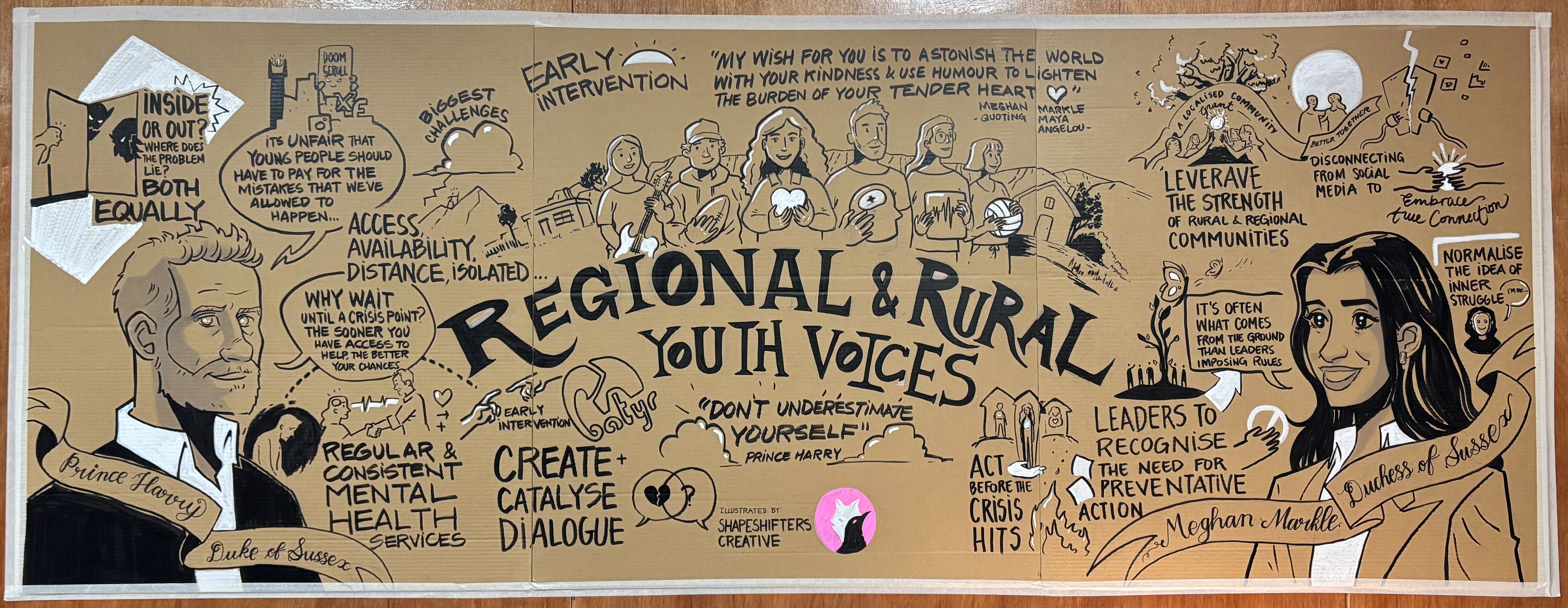
Rather than imposing the same model everywhere, young people want to see investment in local knowledge, local leadership and place-based solutions that reflect the strengths of individual communities. The participants also outlined a practical framework for improving access to mental health support in regional Australia.
"We've come up with a three-phase process to get more access to mental health services. The first step is understanding the needs of each community, the second step is developing a solution for each community, the third step is getting the funding."
It's a simple idea, but a powerful one: listen first, design with communities, then invest in what works.
What's next?
At batyr, we believe the best solutions are created alongside the young people they're designed to support, because no one understands the challenges facing regional, rural and remote communities better than the young people living them every day. Their voices shouldn't just be heard - they should help shape the future of the mental health system that’s impacting them.
Across the two days, several consistent themes emerged. While we're continuing to work alongside young people to shape our formal policy positions, these conversations highlighted a number of priorities that participants felt would make a real difference for regional, rural and remote communities.
Invest in prevention;
Young people consistently spoke about the importance of earlier support, with greater investment in preventative mental health education that reflects the unique needs of regional and rural communities.
Support community-led solutions;
Participants highlighted the value of giving communities, and young people themselves, greater opportunities to shape local mental health initiatives through place-based approaches.
Improve access to support;
Young people described the need for mental health services that are designed with local communities, responding to the different challenges and strengths of each region.
Start the conversation earlier;
Many participants emphasised the importance of introducing preventative mental health education in primary schools, helping young people build the confidence and skills to seek support before challenges escalate.
The recommendations developed by young people will be shared with governments, decision-makers and the wider mental health sector, ensuring their lived experiences continue to inform future policy, investment and service design.
A huge thank you to our partners Live4Life and Swinburne University for helping bring this workshop to life, and to Shapeshifters Creative for capturing the conversations through live visual storytelling. Most importantly, thank you to every young person who shared their story, challenged the status quo and helped shape a stronger future for youth mental health.