“Streaming helped me connect with my culture and community”; what online communities can mean for First Nations young people
May 26, 2026
On Reconciliation Day, we’re reminded that reconciliation is not only about acknowledging history, but also about actively creating spaces where First Nations young people feel seen, safe and supported to thrive today. For many, this includes the growing role of online communities in building connection and strengthening wellbeing.
Liam, also known as Twikwon, is a young Wiradjuri man and MMO/variety streamer who uses his platform to champion mental health and disability awareness. His story shows how online spaces can become places of cultural connection, expression and community.
Devastatingly, suicide remains the leading cause of death for Aboriginal and Torres Strait Islander young people, and 1 in 3 Aboriginal and Torres Strait Islander young people experience high to very high levels of psychological distress.* These figures sit alongside a deeper story about connection, identity, belonging and access to culturally safe support.
At batyr, we centre lived experience and peer-to-peer storytelling because stories shape how we understand ourselves, our history, and each other. We recognise Aboriginal and Torres Strait Islander peoples as the original custodians of this land and the original storytellers, and we acknowledge the ongoing impacts of colonisation on social and emotional wellbeing today.
Connection can play a powerful role in protecting young people’s mental health and wellbeing. For many First Nations young people, online spaces have become an important extension of community - creating opportunities to connect with culture, express identity, and feel a sense of belonging that may not always be accessible elsewhere.
Liam, who also goes by his online name Twikwon, shared how streaming became more than just gaming - it became a space for connection, advocacy and self-expression.
“As an introverted person, I didn't have the ability to truly connect with my culture or community before streaming. I have been blessed to learn and grow and connect with a deeply special part of myself; in a way I never could before. I love being able to advocate for First Nations peoples in the streaming space, and to help offer and support First Nations people in these spaces the same way I was supported.”
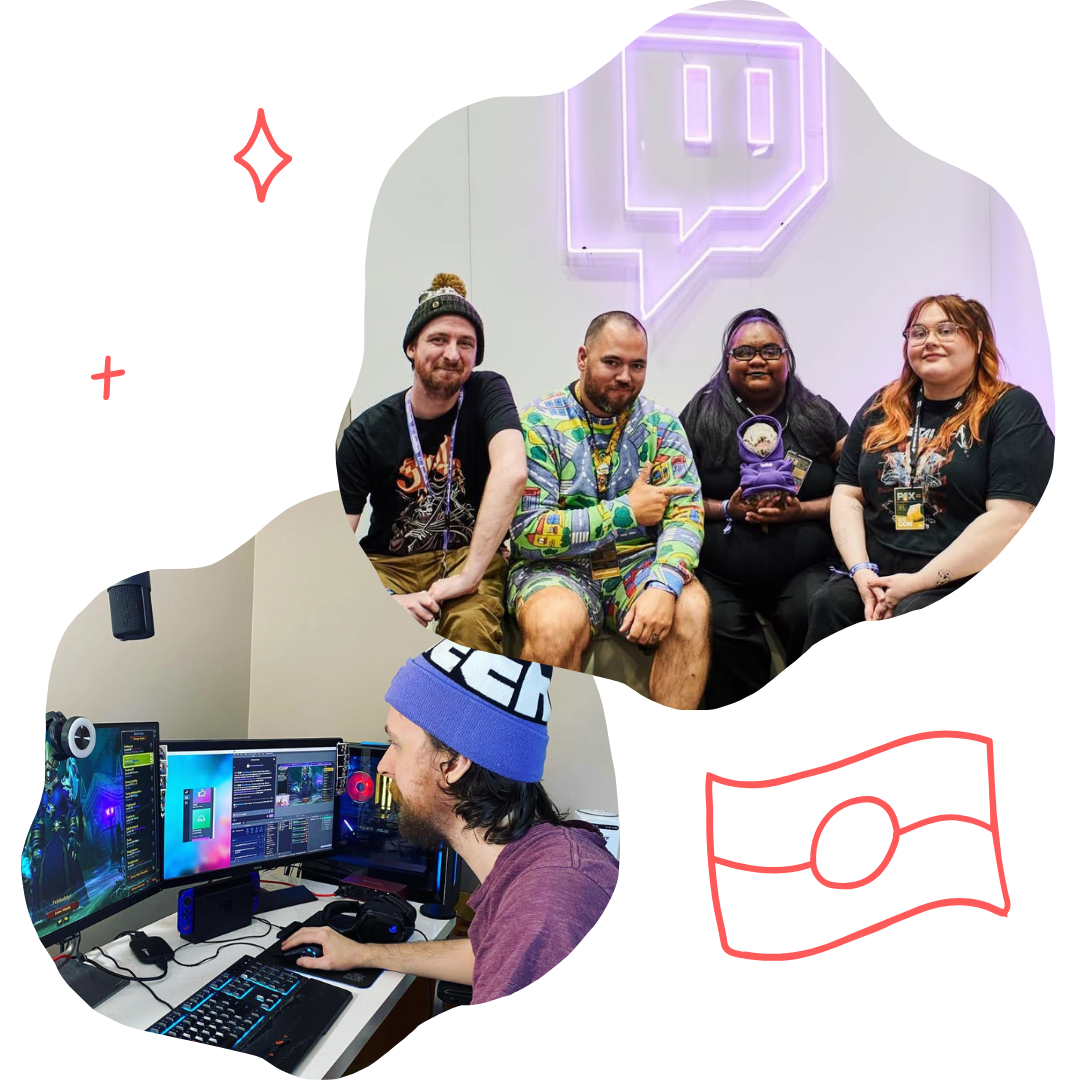
For young people who may not always feel represented or understood in the spaces around them, that sense of belonging can be transformative.
“I think online communities play one of the biggest roles these days,” Liam said. “They can offer safe spaces, advocacy and education in a way that often cannot be easily accessed offline. Being a First Nations creator means the world to me; it's easily one of the most important and special parts of my creator journey.”
Research consistently shows that culture, community and representation are protective factors for social and emotional wellbeing. Feeling connected, heard and accepted can strengthen resilience, confidence and help-seeking - particularly for young people navigating mental health challenges or experiences of isolation.
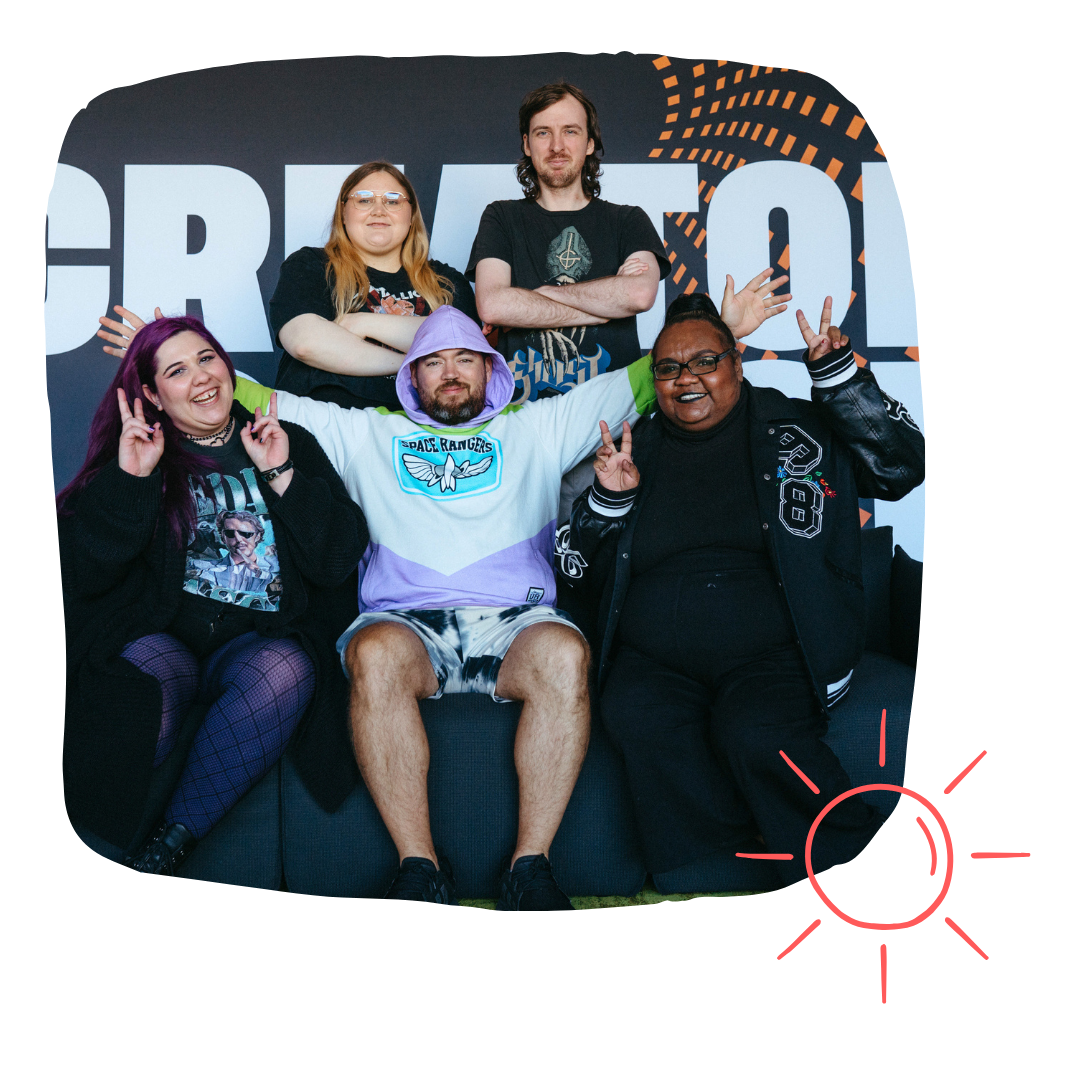
For Liam, streaming also became a space where he learnt to express himself more authentically.
“I’ve learnt to better authentically express myself, even away from the keyboard,” he shared. “Having shared interests and conversations around gaming, community and mental health advocacy made me feel comfortable being myself.”
We know there is no one-size-fits-all approach to supporting young people’s mental health. Creating safe, inclusive and culturally responsive spaces - both online and offline - is critical to ensuring young people feel empowered to speak openly, connect with others and seek support when they need it.
When young people feel like they belong, it can make a powerful difference to their mental health and wellbeing.
As Reconciliation Day invites reflection and action, stories like Liam’s highlight the importance of creating spaces where First Nations young people can connect with culture, community and identity in ways that support their wellbeing.
If you’d like to catch Liam’s streams this June and support Stigma-Free Streamers, you can find out more and donate here.
*Source: Suicide and intentional self-harm hospitalisations among First Nations people, AIHW.
Photos provided by Twikwon. Dreamhack photo by Nick Watson and Ben Cook.