Unmasking ADHD: LewChing’s Journey to Self-Acceptance
October 13, 2025
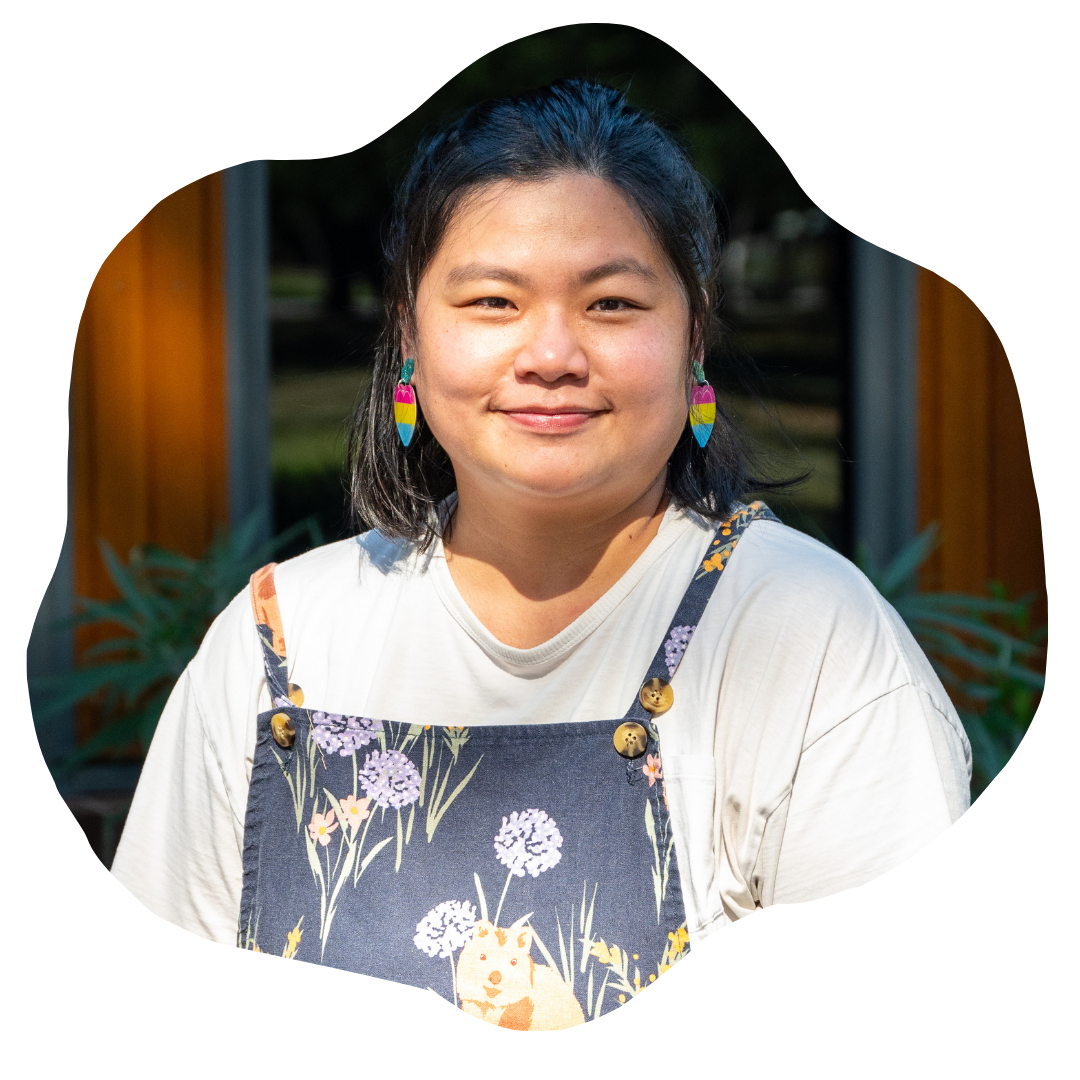
October is ADHD Awareness Month, a time to raise understanding, reduce stigma, and amplify the voices of people living with ADHD. At batyr, we know the power of lived experience in shifting perspectives and starting conversations that matter. That’s why we asked batyr storyteller LewChing to share their experience living with ADHD - from navigating barriers and stigma to finding community, strategies and self-acceptance along the way.
“I grew up in a learning environment where frank discussions around barriers to learning were not approached without judgement. I tried my best to be the perfect learner, the perfect organiser, I could not fall out of line or I would fail to meet expectations that were put on me as a child. Once, my English tutor hired to help me with my studies outside school asked me if I would consider being tested for learning disabilities and ADHD. I burst out crying and begged her not to tell my parents. I was told any of those labels would seal my fate in career prospects. I don’t know what happened following that interaction, but that was the last time it was ever brought up to me by her.
As I migrated to Australia as a university student, I began to shed myself of the stigma I had grown accustomed to. I quickly realised a lot of my friends proudly wore the badge of being neurodivergent and spoke openly about how it affected them.
One day, a friend had asked me if I considered if I was neurodivergent or had ADHD. Iwas surprised. I had assumed what I had been told or read online and it was that people with ADHD had trouble with organisation, memory, planning, and time management. I functioned off a strict routine, to-do list, multiple calendars and any less would make me so anxious. But that was just it. My friend pointed out that I read my daily to do list/schedules countless times each day, with times where I would go 30 minutes just going through it repeatedly fearing that I had forgotten something. I was made to grow up in an environment that required me to mask all the time. I was forced to build systems that allowed me to mask but what it created was overwhelming anxiety tied to keeping the mask up.
I started to then realise the small things, how I could get through some tasks with ease and remain motivated but be stuck on starting other tasks. How I would do just about any other task to avoid that one task or be stuck in bed doing nothing while being stressed about doing nothing. I struggled with attention throughout university and it was only through my systems that I eventually established a way of getting through my assessments.
I had barriers to seeking a diagnosis for years. I am only just on the process to seeking one now. I got told by some people that it would be hard to establish enough childhood and background information to establish a diagnosis. I have a history of childhood trauma and family violence. I am estranged from most of my family and only one friend who grew up with me who I was still in contact with. Due to trauma, I had gaps in memories of my childhood. The thought of having to explain and explore my childhood alone was enough to deter me from seeking clarity. I was then also told my ADHD traits may stem more from trauma rather than genetic basis. It all just got too confusing for me to even try. The final barrier was my status in this country, as I was a temporary resident in Australia until just recently. The renewal of each visa I was on required a medical examination. I was terrified of being seen as a liability on Medicare and that again deterred me from seeking clarity.
I, as with many in our community, face different barriers to diagnosis, but that did not mean that I did not find support or strategies. My peers in uni body-doubled with me so we could support one another to get through assessment deadlines. I broke down big tasks into smaller ones to make them seem less daunting, even deliberately adding deadlines into my calendar before the actual one to trick my brain into having a sense of urgency. Open discussions about my challenges with my friends helped a lot. I found comfort in self-diagnosis, coming to accept that while there are barriers to formal diagnosis for some time that I was the expert of my own experience.
I do not know if I have it all figured out, and I don’t know if I ever will. What I can say is that I was able to lean on community to understand myself as well as how I process and plan information around me.”
LewChing’s story is a reminder that every experience of ADHD is unique, and that understanding often begins with listening. By opening up about the challenges and strategies that have shaped their journey, LewChing shows us the power of community and conversation in creating a more supportive world for those who are neurodivergent.
This ADHD Awareness Month, let’s keep learning, listening and celebrating the strength in young people’s lived experience. You can find more stories like LewChing’s on the free OurHerd platform. To learn more about ADHD, our friends at The ADHD Foundation offer support and education, and ADHD Australia also has resources and a list of support groups across Australia.
If you or someone you know is experiencing a mental health crisis and is in immediate danger of harming themselves or others, call 000. You can find a comprehensive list of mental health support services here.